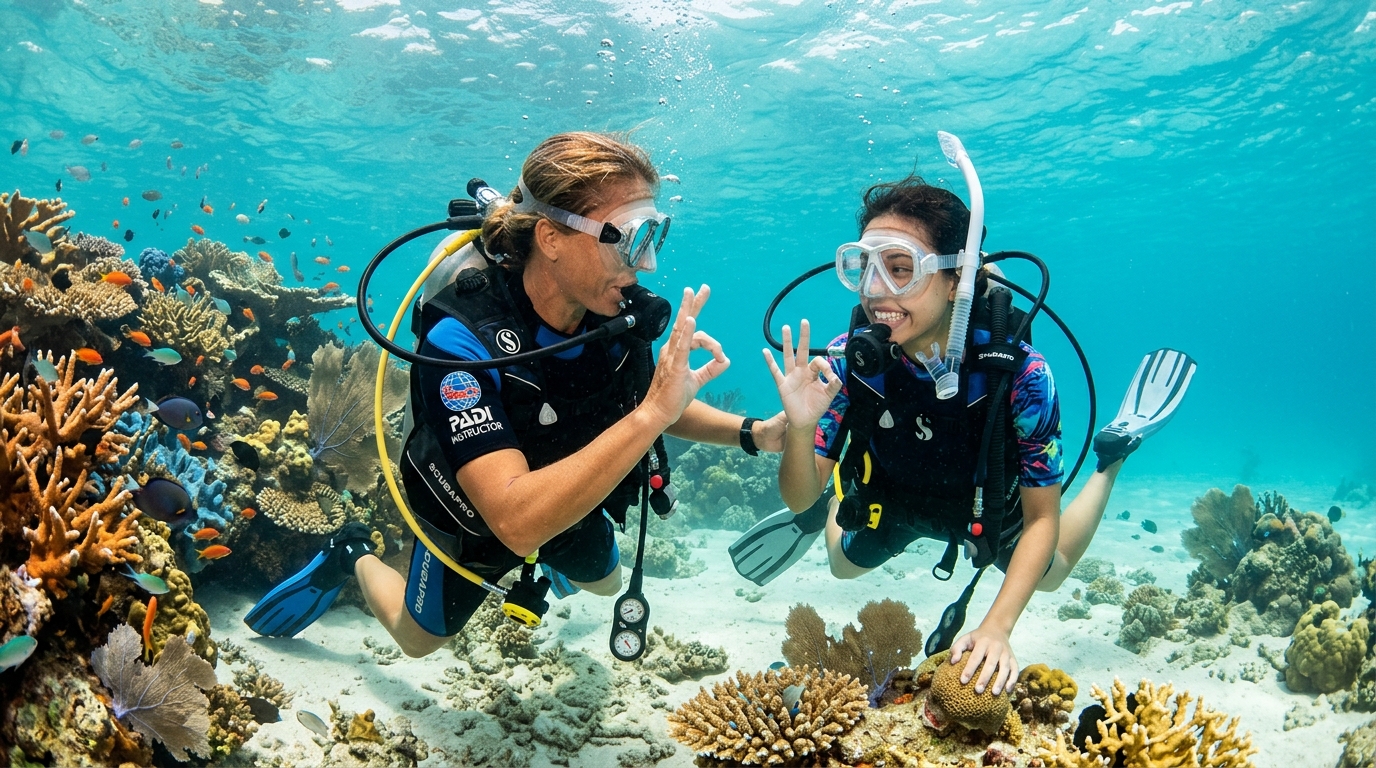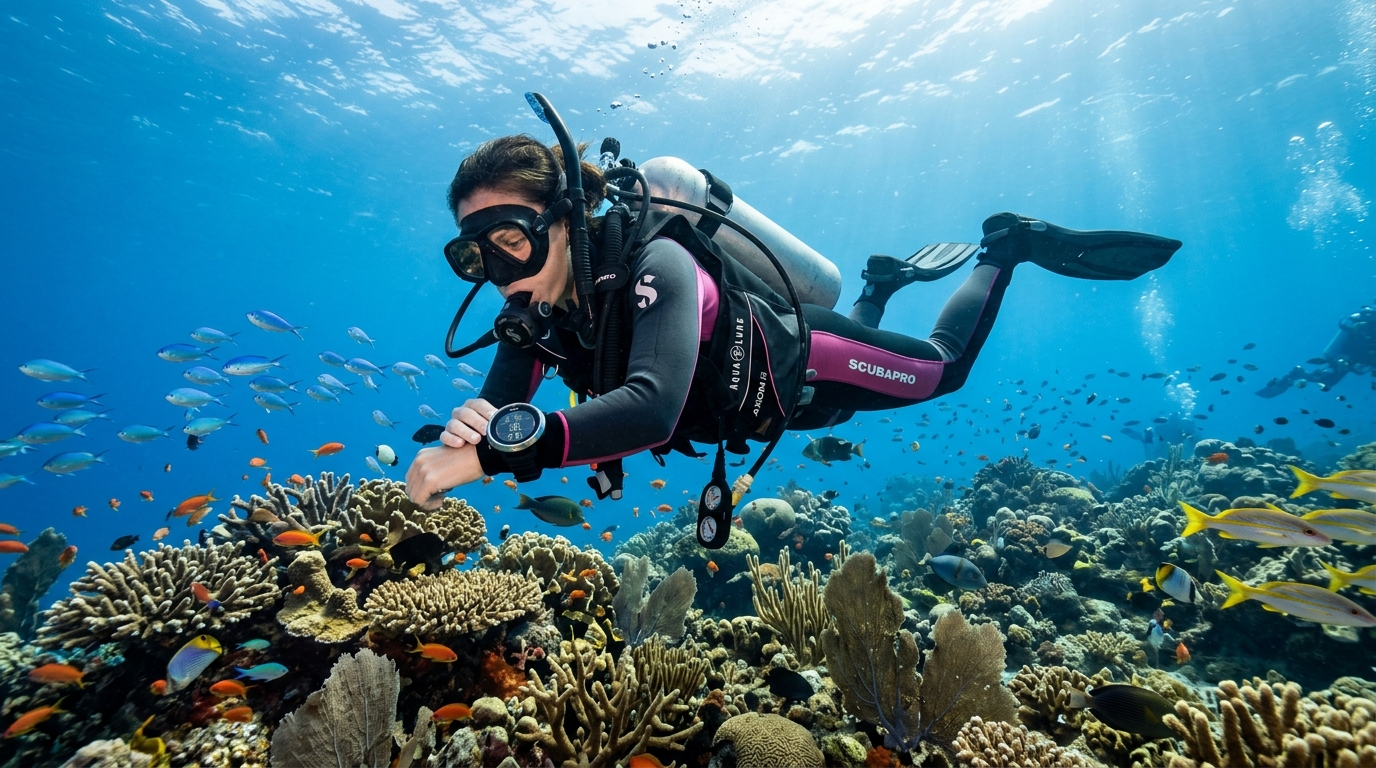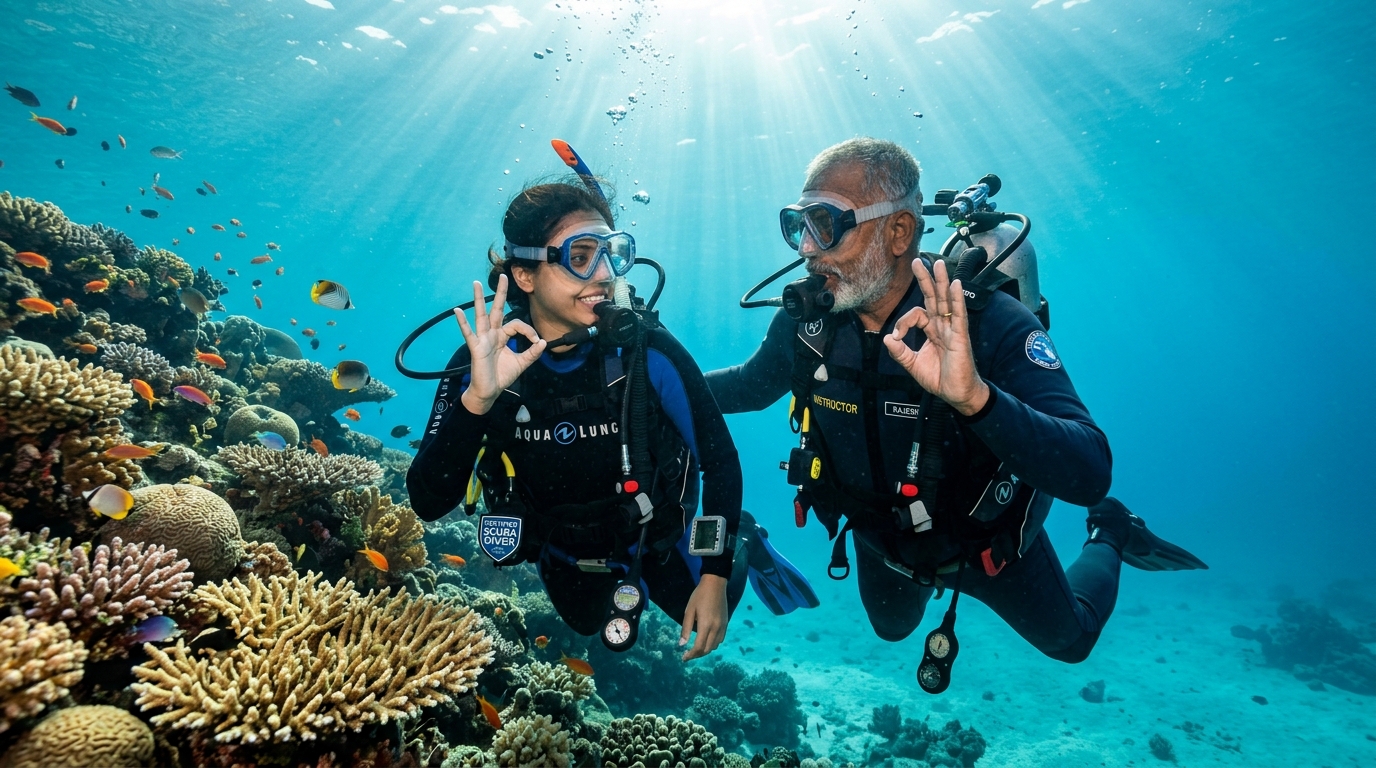

Scuba diving opens the door to a fascinating underwater world filled with colorful coral reefs, marine life, and unforgettable adventures. However, every successful dive depends on having the right scuba diving equipment. Whether you are exploring the ocean for the first time or taking part in advanced underwater expeditions, understanding your equipment is essential for safety, comfort, and performance.
This beginner's guide from Lak Sea Adventures explains the most important diving gear every diver should know about and why each piece plays a crucial role in your underwater experience.
Why Scuba Diving Equipment Is Important
The right scuba diving equipment helps divers breathe underwater, control buoyancy, maintain body temperature, and navigate safely. High-quality gear reduces risks and allows divers to focus on enjoying the underwater environment. Whether you are enrolling in expert scuba diving courses or planning your first dive, understanding your equipment is the first step toward becoming a confident diver.
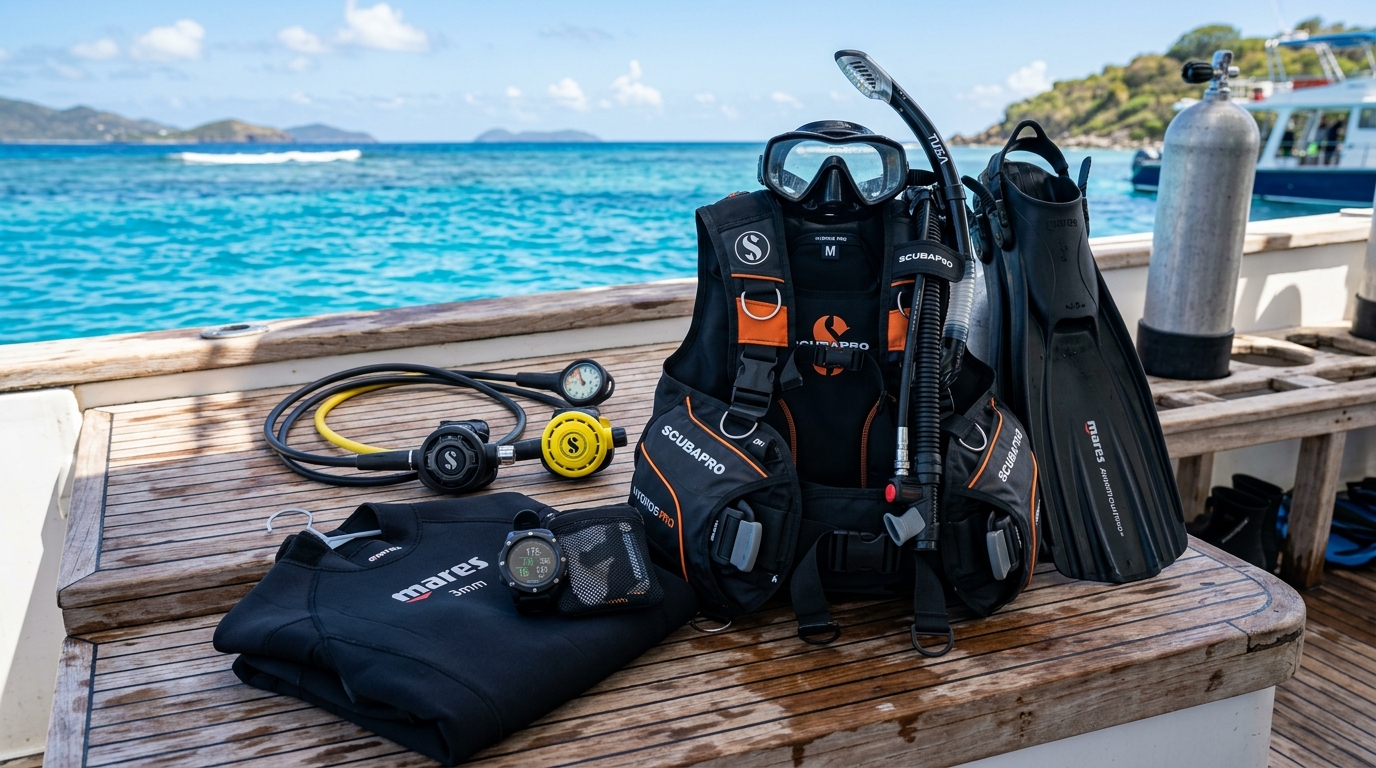
10 Essential Pieces of Scuba Diving Equipment
1. Diving Mask
A diving mask creates an air pocket before your eyes, allowing light to focus properly on the retina underwater. High-grade masks feature tempered glass lenses and a supple silicone skirt that seals comfortably against your face.
2. Snorkel
A snorkel conserves precious cylinder gas while swimming along the surface before descent or waiting for boat pickup. Many divers prefer flexible roll-up snorkels that stow conveniently in a BCD pocket.
3. Scuba Fins
Fins provide effortless propulsion, allowing divers to glide smoothly through currents without using their hands. Open-heel fins paired with neoprene booties offer superior power, thermal protection, and ankle support.
4. Wetsuit or Exposure Protection
Water conducts body heat away 25 times faster than air. In tropical destinations like Lakshadweep (28°C), a 3mm shorty or full-body wetsuit provides thermal comfort while protecting against accidental coral scrapes and jellyfish stings.
5. Buoyancy Control Device (BCD)
The BCD is the jacket-style harness that secures your cylinder. By adding air with an inflator hose or venting it through dump valves, you achieve precise neutral buoyancy, hovering effortlessly at any depth.
6. Regulator System
Your regulator is your life-support system. The first stage attaches to the cylinder valve, reducing high pressure (200 bar / 3000 psi) to intermediate pressure. The primary second stage delivers air comfortably to your mouth on demand, while the yellow alternate air source (octopus) is ready for your buddy in an emergency.
7. Submersible Pressure Gauge (SPG)
The SPG displays remaining cylinder gas pressure. Constantly checking your SPG ensures you manage bottom time effectively and begin your ascent with safe gas reserves.
8. Weight System
Neoprene wetsuits and human bodies are naturally buoyant. Lead weights worn on a quick-release belt or integrated into BCD pockets counteract this buoyancy, allowing you to descend smoothly.
9. Dive Computer
A modern wrist dive computer monitors real-time depth, bottom time, and nitrogen uptake. It calculates your remaining no-decompression limits (NDL), tracks ascent speed, and counts down required safety stops.
10. Surface Marker Buoy (SMB) & Spool
An inflatable high-visibility orange SMB deployed during your safety stop alerts boat captains and surface traffic to your location, guaranteeing safe surfacing after drift dives.
Dive With Top-Tier, Serviced Gear in Agatti
At Lak Sea Adventures, our rental gear inventory features regularly serviced regulators, BCDs, and sanitized masks. Book your Lakshadweep dive holiday today!
How to Care for Scuba Equipment
To extend equipment lifespan and guarantee reliability, always soak gear thoroughly in fresh water after saltwater dives, dry it out of direct sunlight, store in a cool ventilated room, and have life-support components serviced annually by a certified technician.
Frequently Asked Questions
The regulator system is the most critical life-support component because it delivers breathable gas from your high-pressure tank at ambient water pressure on demand.
Beginners typically start with personal fit items: a quality low-volume mask, snorkel, comfortable fins, and boots. High-ticket items like BCDs and regulators can be rented until you establish your diving frequency.
Regulators and BCDs should be professionally serviced by certified technicians once every year (or per manufacturer guidelines, typically every 100-200 dives). Cylinders require annual visual inspection and hydrostatic testing every 5 years.
Safety equipment—such as dive computers, surface marker buoys (SMBs), and whistles—ensures you can monitor decompression limits, communicate with boat crews, and remain visible in open water.
Scuba gear includes specialized high-pressure life-support systems (regulators, cylinders, BCDs) and thicker tempered glass masks designed to withstand greater hydrostatic pressures.
Yes. Reputable 5-Star dive centers like Lak Sea Adventures maintain modern, thoroughly serviced rental inventories, making it easy to dive without traveling with heavy baggage.