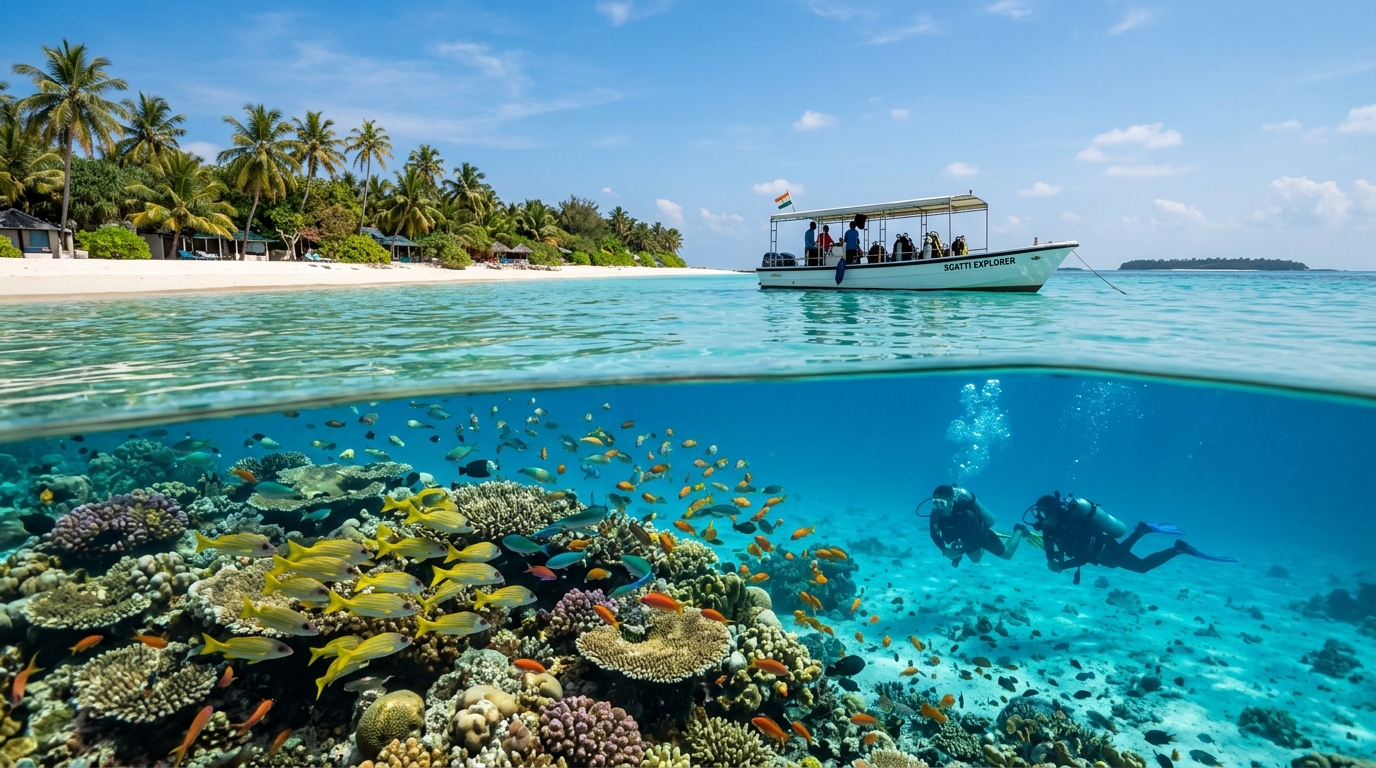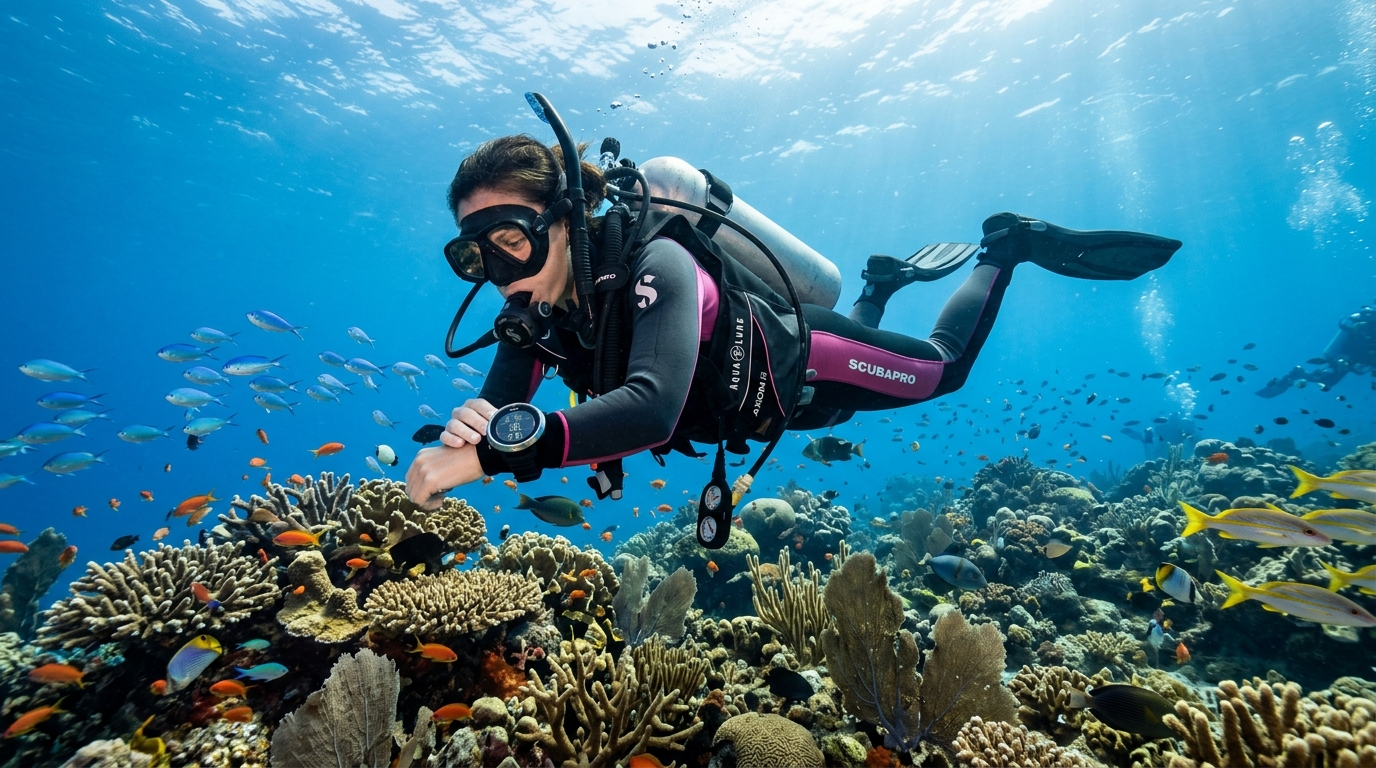
The waters around Lakshadweep hide one of India's most extraordinary underwater sanctuaries. Below the surface, you find rainbow-colored reef fish, gentle sea turtles, and coral gardens that took thousands of years to grow. Scuba diving in Lakshadweep gives you a front-row seat to this underwater realm. But with that privilege comes a solemn duty: every diver who enters these waters must understand what we must protect, and why it matters so profoundly.
This guide walks you through the fragile coral reefs of Lakshadweep, the remarkable creatures that call them home, and the simple, impactful steps every diver can take to keep this marine ecosystem thriving for generations.
Why Lakshadweep's Underwater World Is So Special
Lakshadweep is an archipelago of 36 coral islands and atolls sitting in the Arabian Sea off the Malabar coast of Kerala. Its lagoons are calm, its water is translucent turquoise, and its reefs host some of the richest marine biodiversity in South Asia. This is not just a pretty backdrop for holiday photos; it is a living, breathing marine biome where every organism plays a vital ecological role.
The coral reefs in Lakshadweep act like the foundation of an underwater city. Remove the foundation, and everything built upon it begins to crumble. When reefs are degraded, herbivorous fish lose their grazing nurseries, apex predators lose their hunting grounds, and the entire marine food chain collapses.
Coral Reefs in Lakshadweep: The Heart of the Ecosystem
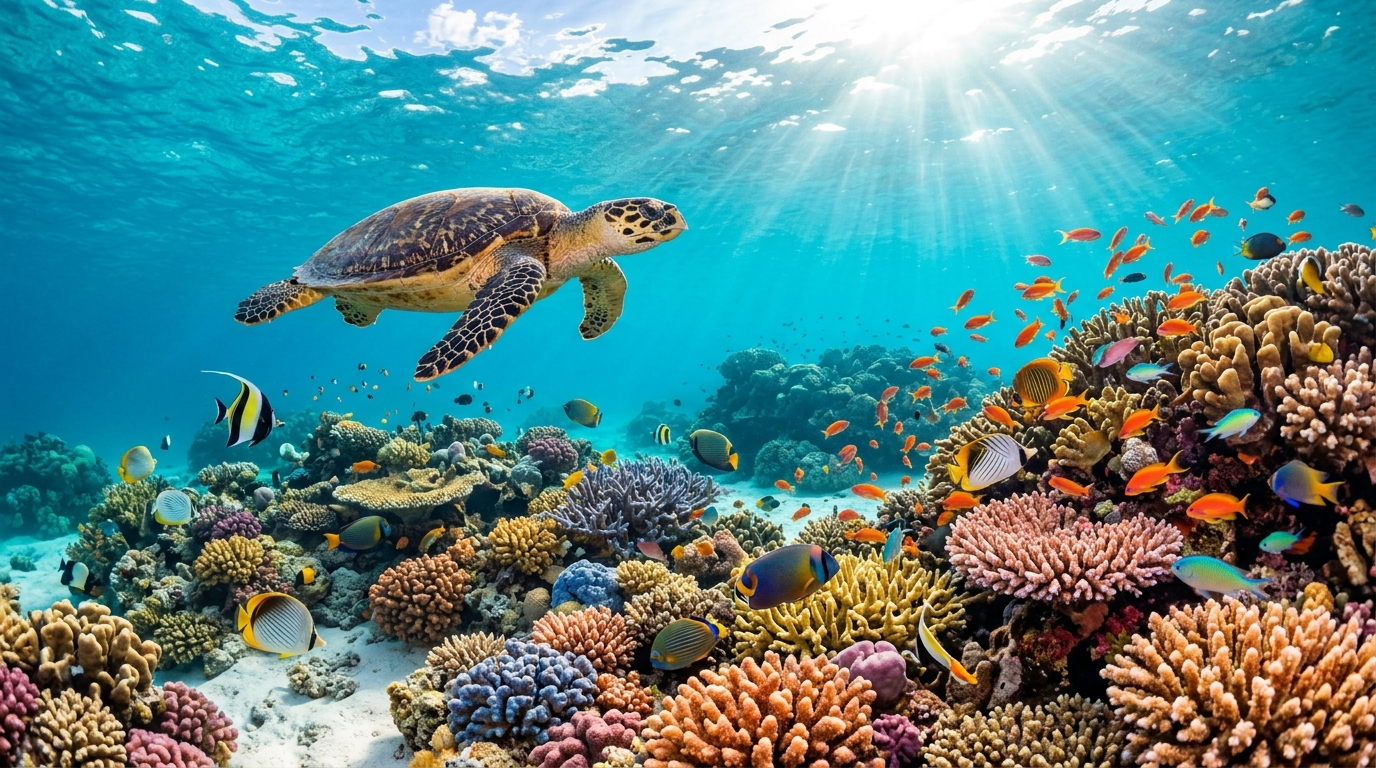
The coral reefs in Lakshadweep are built by microscopic marine invertebrates called coral polyps. Over centuries, these polyps secrete calcium carbonate limestone skeletons. Around these intricate labyrinths, an entire ocean community flourishes: reef fish seek shelter among branching acropora corals, turtles feed on sponges, and reef sharks cruise the drop-offs maintaining ecological balance.
Because massive corals grow just 1 to 2 centimeters per year, a single careless fin kick or accidental grab can destroy decades of growth in a fraction of a second. That is why coral reef conservation is not an abstract concept here—it is a daily, practical ethic for every diver.
Sea Turtles & Pelagics: Guardians of the Atoll
Lakshadweep is a critical nesting and foraging habitat for green sea turtles (Chelonia mydas) and hawksbill sea turtles (Eretmochelys imbricata). Swimming alongside a turtle in crystal water is one of the most magical experiences in diving. However, chasing turtles or blocking their access to the surface forces them into distress and can lead to drowning. Observing them from a respectful distance of 3 to 5 meters ensures they remain undisturbed in their natural habitat.
Seven Golden Rules for Sustainable Diving
1. Master neutral buoyancy to avoid hitting the bottom.
2. Never touch, grab, or stand on corals.
3. Maintain a horizontal trim and keep fins well above the reef.
4. Never chase or touch turtles, sharks, or rays.
5. Never collect shells, coral fragments, or ocean souvenirs.
6. Apply certified reef-safe sunscreen (mineral non-nano zinc).
7. Choose dive operators using permanent mooring buoys instead of dropping heavy anchors.
How Lak Sea Adventures Champions Reef Conservation
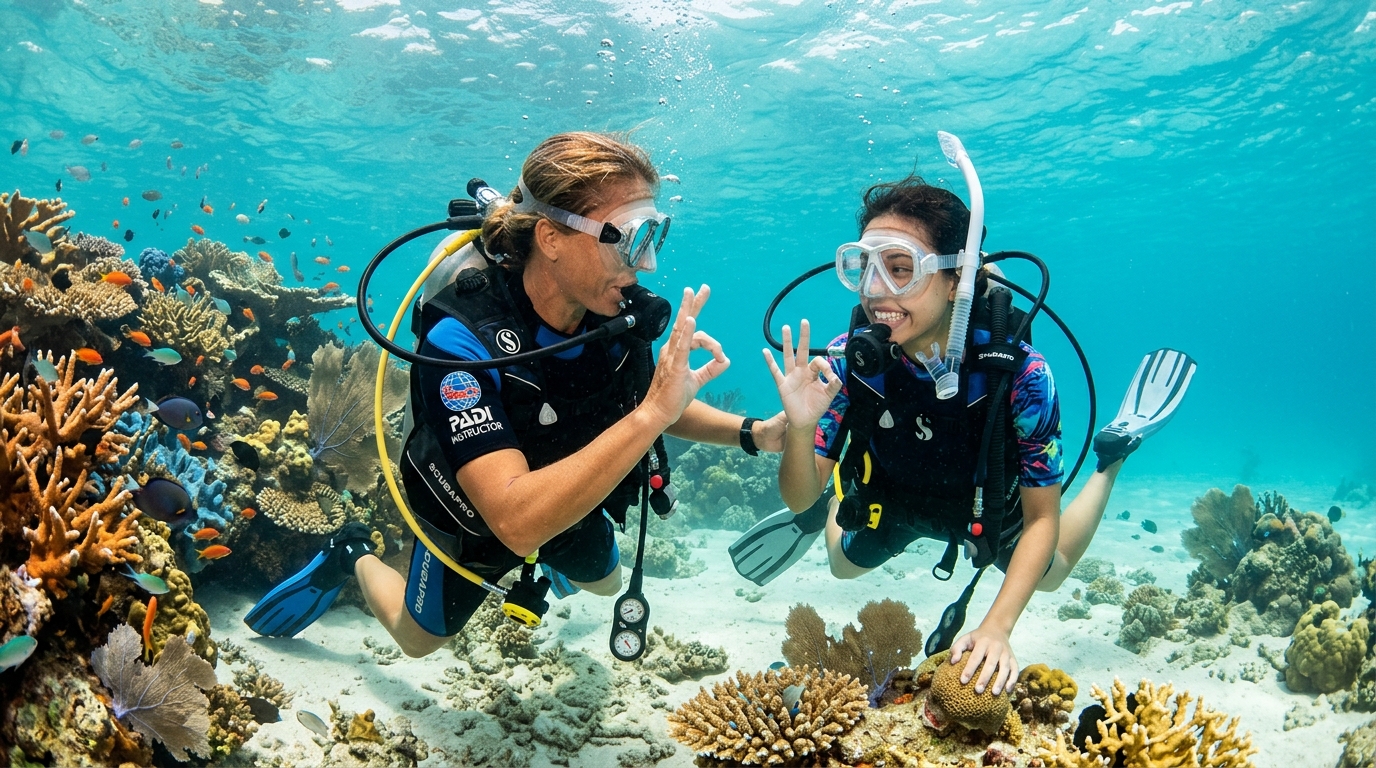
At Lak Sea Adventures, conservation is embedded in every dive we run. Our pre-dive briefings emphasize buoyancy checks, no-touch policies, and safe wildlife distances. We utilize permanent mooring buoys in Agatti to prevent anchor scars on the reef, partner with indigenous islanders who know every reef channel, and conduct regular reef cleanups to remove discarded fishing line and plastic debris.
Experience Responsible Scuba Diving in Lakshadweep
Dive with certified eco-conscious PADI professionals who care about preserving Lakshadweep's pristine coral reefs. Join Lak Sea Adventures on Agatti Island.
Why Conservation Extends Beyond Diving
Reef conservation isn't just about preserving recreational scenery. Coral reefs protect the low-lying atolls of Lakshadweep from severe wave action and cyclone swells, support local artisanal tuna fisheries, and sustain the livelihoods of local island communities. By practicing sustainable diving, every visitor becomes an ambassador for ocean health.
Frequently Asked Questions
They support the entire marine ecosystem, from tiny damselfish to sea turtles and reef sharks, while also protecting the low-lying coral atolls from storm surge and coastal erosion.
Yes, provided divers practice good buoyancy control, avoid touching or kicking coral, and follow guidance from trained local instructors and divemasters.
Coral reef conservation refers to the management practices, environmental guidelines, and marine policies used to protect reefs from pollution, physical damage, and climate-induced bleaching.
No. Coral is a fragile living colony of thousands of delicate polyps. Touching coral rubs off their protective mucus layer, exposing them to lethal bacterial infections and tissue death.
Divers regularly encounter green and hawksbill sea turtles, whitetip and grey reef sharks, spotted eagle rays, giant trevally, clownfish colonies, and hundreds of species of vibrant reef fish.
Lak Sea Adventures uses permanent mooring buoys instead of dropping damaging anchors on coral, conducts pre-dive eco briefings, enforces strict no-touch rules, and organizes marine cleanup dives.
Wear certified reef-safe mineral sunscreen (non-nano zinc oxide), avoid single-use plastics, never purchase coral or shell souvenirs, and dive with eco-conscious operators.